

Climate resilient sweetcorn for better futures – (SARP Project)
HomeClimate resilient sweetcorn for better futures – (SARP Project)
Project:
Farmer First – Climate-Resilient Sweetcorn for Better Futures
Location:
Kurunegala & Anuradhapura Districts, Sri Lanka
Partners:
IFAD | SARP | Ministry of Agriculture | Department of Agriculture
Farmers Engaged:
300 smallholder farmers
The Sweetcorn Supply Chain Development Project is an ongoing, farmer-centric initiative implemented by Rich Mark Holding (Pvt.) Ltd. to strengthen local grain production, improve smallholder farmer incomes, and enhance Sri Lanka’s food security through climate-resilient agriculture.
The project focuses on building a fully integrated sweetcorn value chain—linking farmers to assured markets through structured cultivation, modern post-harvest infrastructure, and value-addition.
Project Overview
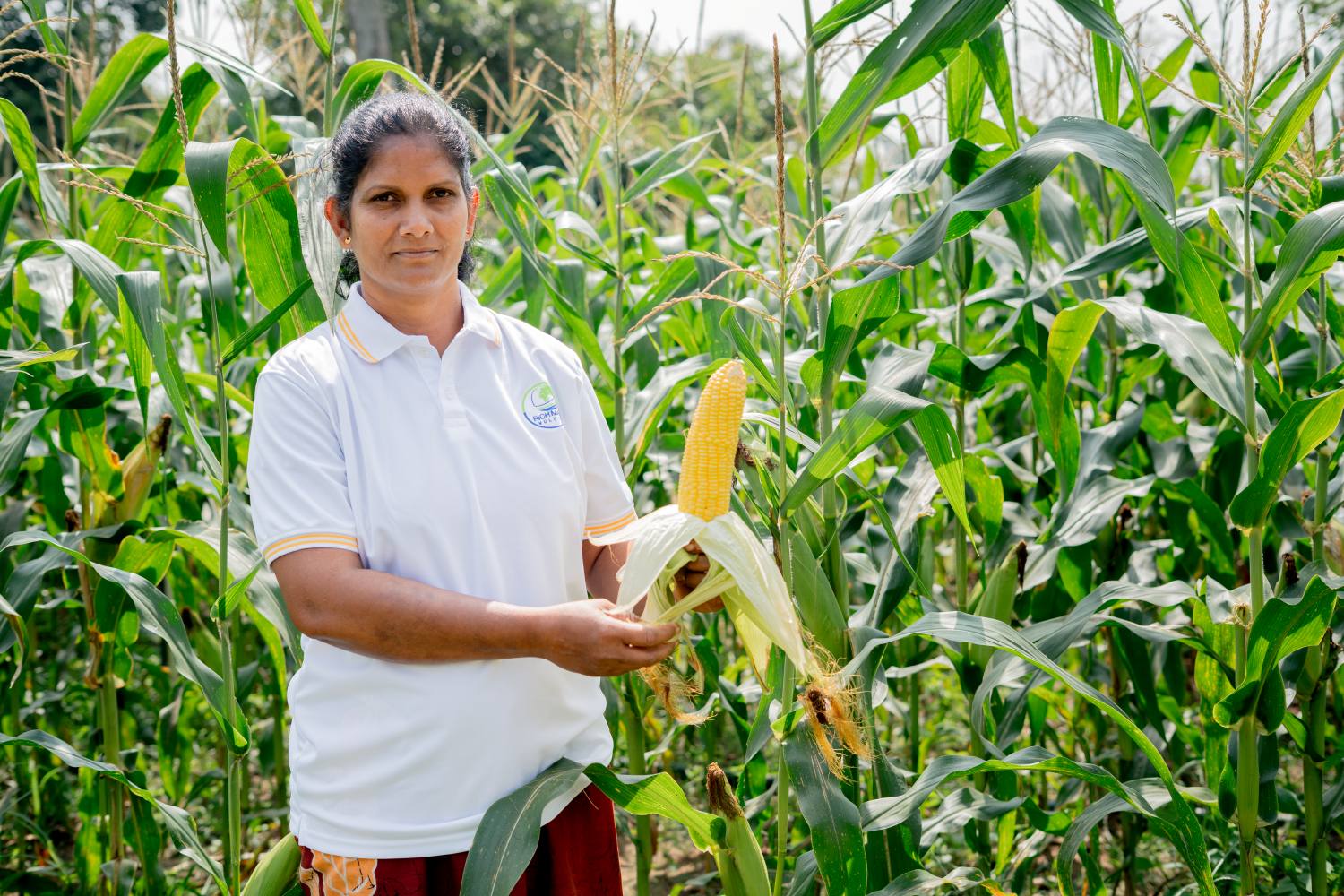
This project engages 300 smallholder farmers across the Kurunegala and Anuradhapura districts, covering a total of 150 acres under sweetcorn cultivation. Each farmer cultivates 0.5 acres under a professionally managed contract farming model. Rich Mark Holding manages the entire supply chain, allowing farmers to focus on production while ensuring quality control, logistics, processing, and market access.
Why Sweetcorn?
The project directly addresses key agricultural challenges such as limited market access, post-harvest losses, price volatility, and import dependence. Sweetcorn has been selected as a priority crop due to its:
Short cultivation cycle (75–90 days)
Strong domestic and institutional demand
Suitability as a climate-resilient crop
High potential for value addition and processing
The project directly addresses key agricultural challenges such as limited market access, post-harvest losses, price volatility, and import dependence.
Sustainable Dairy Practices
Animal welfare standards require comfortable housing, proper bedding, and ample space, reducing stress and promoting natural behavior. Milking procedures follow strict hygiene protocols while ensuring minimal stress to cows, maintaining milk purity and overall animal well-being.
Green Planning
Implementation Strategy
Contract farming with forward sales agreements
Demand-driven production planning
Staggered planting and harvesting schedules
Farmer training and technical extension support
Yield monitoring and harvest coordination
Green Planning
Project Numbers
Total Farmers: 300
Total Land Area: 150 acres
Cultivation Seasons: Yala & Maha
Operations are coordinated through Agrarian Service Centers, Divisional Secretariats, and GN Divisions across both districts.
Infrastructure Development
The project includes the development of essential post-harvest and logistics infrastructure, such as:
Centralized collection centers in both districts
Decentralized cold storage facilities
Mobile collection and transport systems
Solar-supported storage solutions
Processing and value-addition facilities
Integrated Supply Chain Model
Rich Mark Holding manages the full value chain, including:
Input supply and farmer onboarding
Technical training and quality assurance
Collection, grading, and logistics
Storage, processing, and distribution
Market linkage with buyers and institutions
Latest Updates
Stay connected with our latest announcements, highlights, and updates shared directly from Facebook.
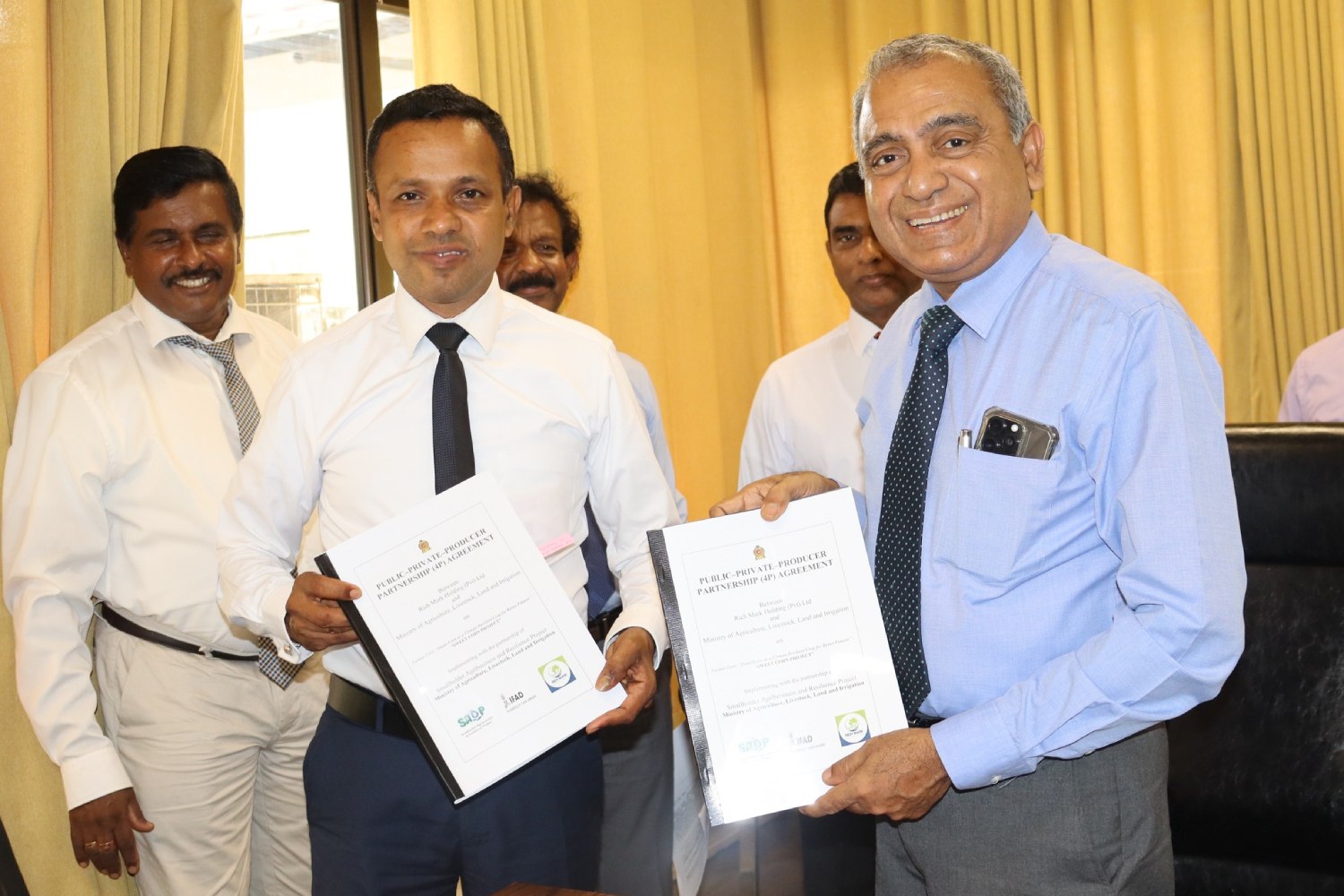
The first agreement signing under the 4P (Public–Private–Producer Partnership) component of the Smallholder Agribusiness and Resilience Project (SARP) was held at the Ministry of Agriculture.
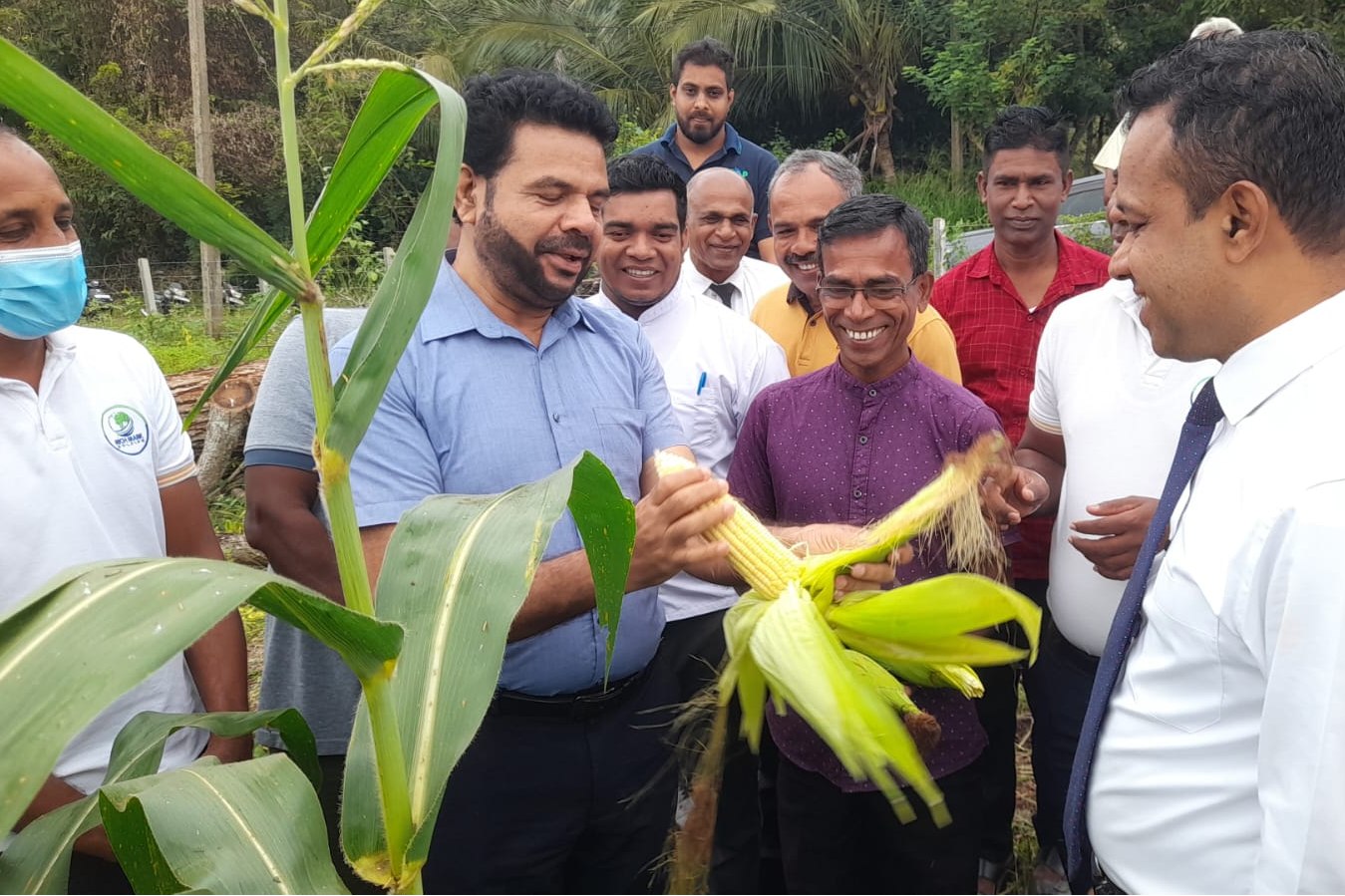
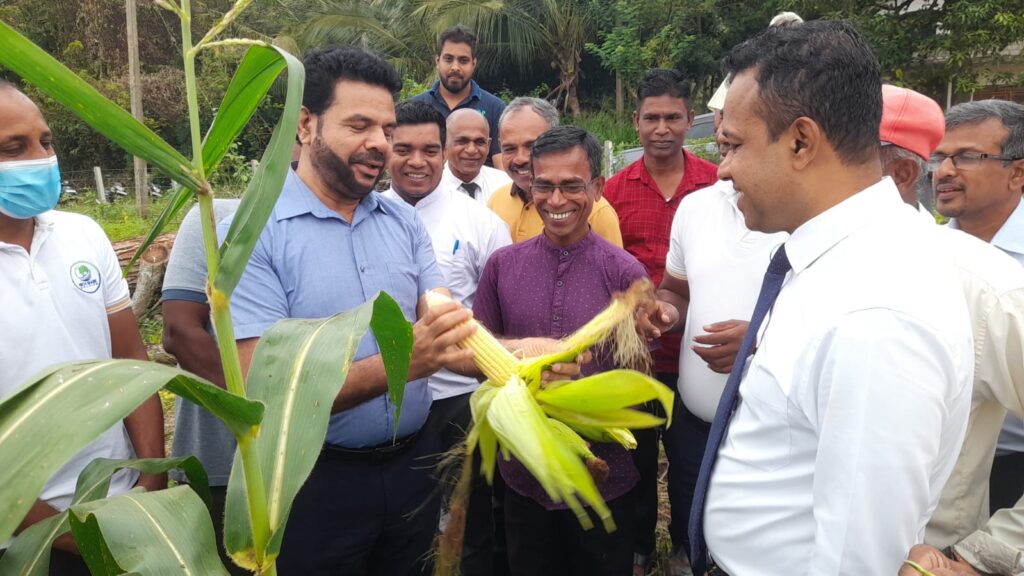
The sweet corn project implemented under the Public–Private Partnership program of the SARP project is currently being successfully carried out in selected Grama Niladhari divisions in the Kurunegala and Anuradhapura districts.
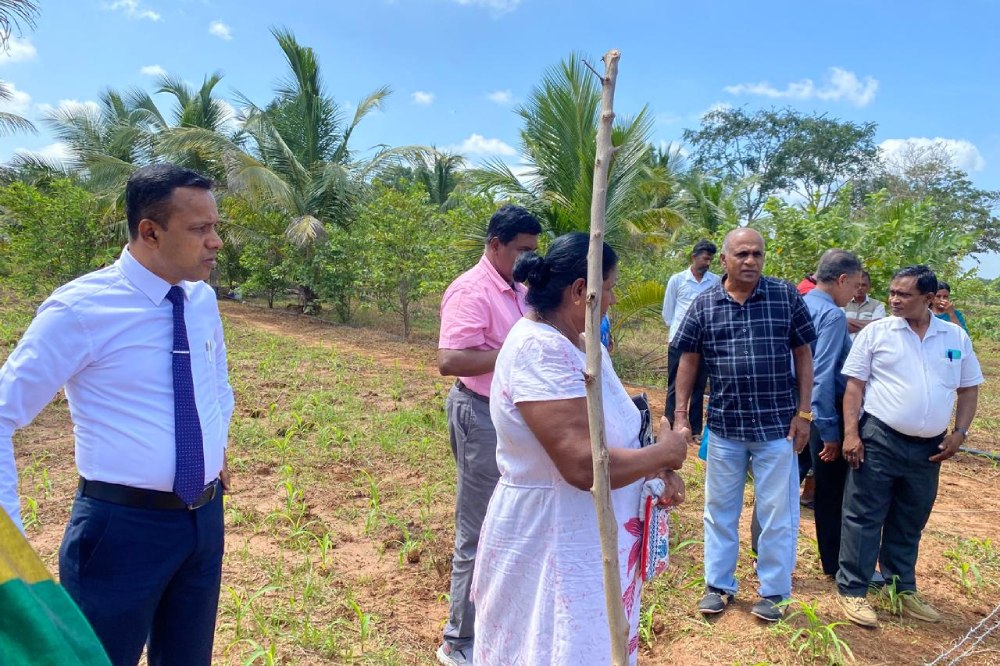
The implementation of Public–Private–Producer Partnership (4P) enterprises is one of the key activities carried out under the Value Chain Development component of the Smallholder Agribusiness and Resilience Project (SARP).
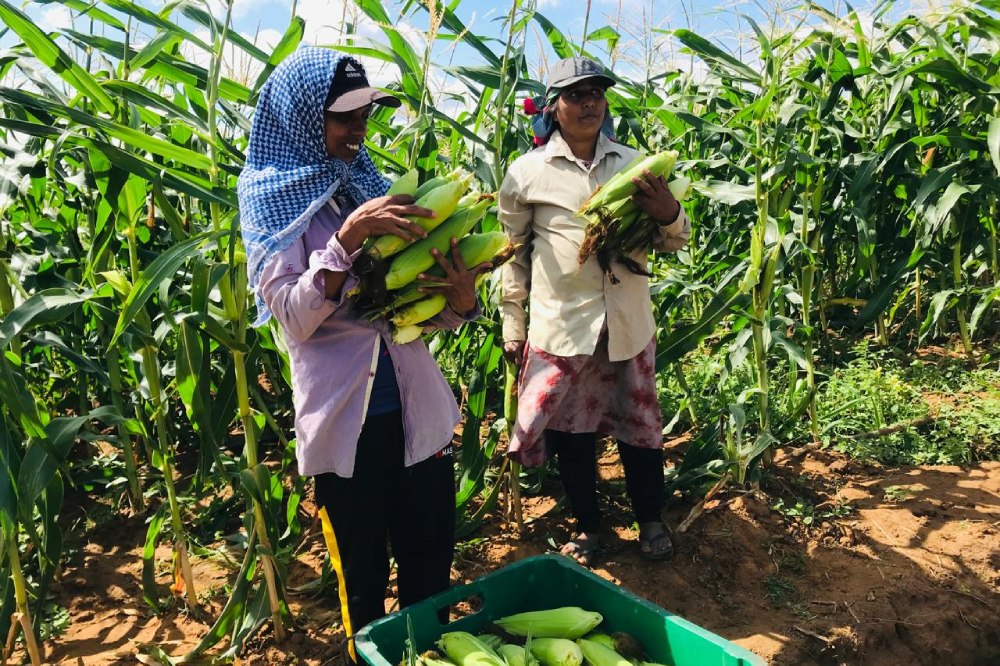
Implementing production enterprises under Public–Private–Producer Partnerships (4Ps) is one of the key activities carried out under the Value Chain Development component of the SARP project.